| Travel distance | 165 |
|---|---|
| Fastest time | 2h 41m |
| Daily trains | 15 |
| Ticket from |
Traveling from the alpine gateway of the north to the historic lagoon city involves a transit across a travel distance of 165 miles. This journey offers a stunning visual transition as you descend from the peaks of the Dolomites toward the Adriatic coast. Utilizing the rail network allows passengers to reach their destination in a fastest time of 2h 41m. The route is efficient and provides a seamless connection between the cultures of South Tyrol and the Veneto region. Most services involve a quick transfer at Verona, though the process is designed for maximum passenger convenience and reliability.
Choosing Train Types for Your Southern Journey
The corridor is served by approximately 15 daily trains that cater to various schedules from morning until evening. Passengers typically enjoy the premium Frecciarossa services on the main legs, while Regional Veloce trains are frequently used for the mountain segments. These modern carriages are equipped with climate control and ergonomic seating to ensure a pleasant ride through the vineyard covered hillsides. Choosing the rail system ensures a direct connection that prioritizes speed while allowing for views of the changing landscape through large panoramic windows. It is the preferred method for reaching the coast without the delays associated with highway traffic.
Essential Tips for First Time Italy Rail Travelers
For those planning a visit to the lagoon, securing a ticket from $19.90 is best achieved through early digital booking to take advantage of lower fares. High speed portions of the journey include a mandatory seat reservation which provides peace of mind during busy seasons. It is advisable to keep your digital QR code ready for inspection as you move between the alpine north and the maritime coast. This journey remains the most sophisticated and relaxing way to experience the geographic diversity of Italy without the stress of road traffic. Arriving at the terminal fifteen minutes before departure allows sufficient time to identify your platform and find your carriage.
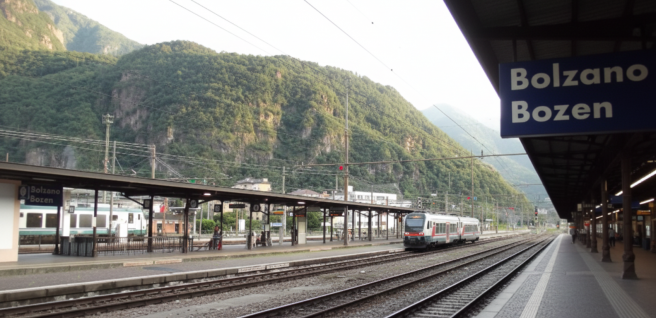
This station serves as the central hub for the South Tyrol region and is located just a short walk from the historic town center. The facility features a distinctive architecture that reflects the dual culture of the area, with signage provided in both Italian and German. Travelers will find essential services including automated ticket machines, a passenger lounge, and several cafes offering local pastries and coffee to enjoy before boarding.
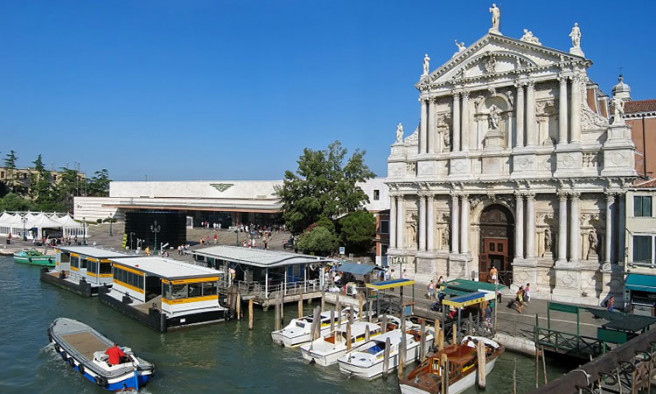
This iconic terminal is located directly on the Grand Canal and serves as the primary gateway for all rail traffic entering the lagoon city. The station features a functional modernist facade that hides a bustling interior with numerous shops, cafes, and luggage storage facilities. Travelers can access the vaporetto water bus lines immediately outside the main entrance to reach St Marks Square or other major islands within the lagoon area.