| Travel distance | 185 miles |
|---|---|
| Fastest time | 2h 55m |
| Daily trains | 12 |
| Ticket from |
Traveling from the alpine peaks of the north to the cradle of the Renaissance involves a scenic transit across a travel distance of 185 miles. This journey is primarily serviced by the high speed Frecciarossa fleet which allows passengers to reach the heart of Tuscany in a fastest time of 2h 55m. As the train leaves the jagged mountains of South Tyrol, it moves through the fertile Po Valley and the Apennine foothills, offering a seamless cultural transition. The experience is defined by efficiency and modern comfort, providing a relaxing environment for travelers to enjoy the shifting Italian geography through large panoramic windows while moving between these two major cultural centers.
Train Types and Service on the Bolzano to Florence Route
There are approximately 12 daily trains available for this route, providing a reliable schedule for those heading south toward the Arno river. The primary service is the premium Frecciarossa, which represents the highest standard of national rail engineering with its climate controlled interiors and ergonomic seating. To secure the most competitive pricing, which can feature a ticket from $24.90, it is essential to plan your itinerary in advance through official digital channels. While some connections may require a quick transfer in Verona or Bologna, the coordination of services ensures that the total travel time remains consistent and convenient for visitors seeking to maximize their time in the city.
Travel Tips for the Journey from the Italian Alps
Navigating the rail system for this journey is straightforward when you are familiar with the boarding procedures and seat reservation requirements. High speed services include a mandatory seat assignment, ensuring a guaranteed spot for the duration of the trip through the diverse landscapes of Northern and Central Italy. First time travelers should arrive at the departure terminal fifteen minutes early to check the digital displays for their platform number and find their specific carriage. Luggage can be stored in the overhead racks or designated areas at the end of each car for a secure experience. This route remains the most sophisticated and sustainable way to witness the dramatic change from the mountain traditions of the north to the artistic heritage of the Tuscan capital.
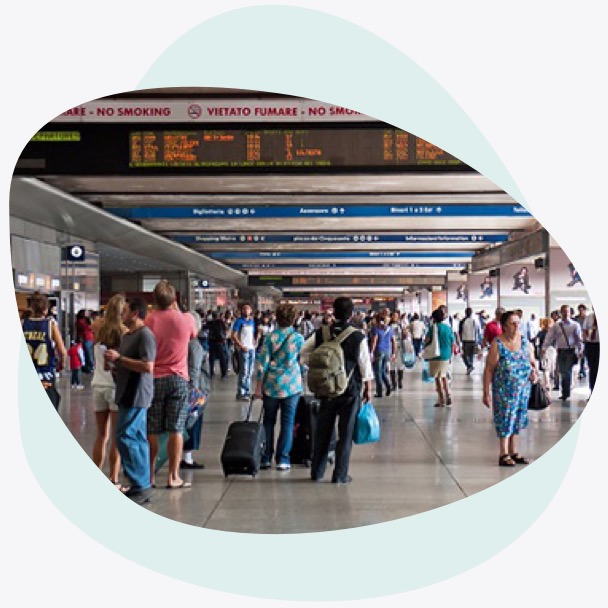
This station serves as the central hub for the South Tyrol region and is situated just a few minutes from the historic town center. The facility reflects the dual cultural heritage of the area, with all signage and announcements provided in both Italian and German. Visitors can find essential services including automated ticket machines, a passenger lounge, and several cafes. Direct bus connections and the cable car to Soprabolzano are easily accessible from the station square.
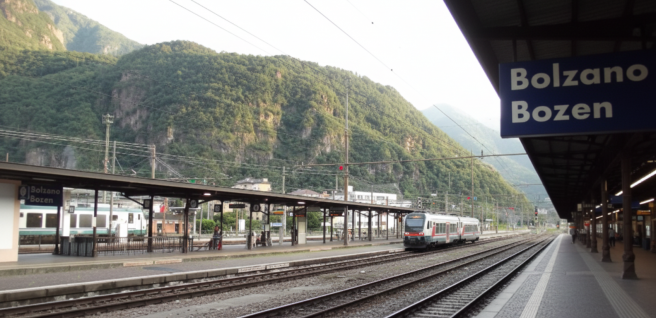
This primary station is centrally located and serves as a vital junction for the national high speed network. The modernist terminal features a large concourse with nineteen tracks located on a single level, making it easy to navigate for those with heavy bags. Travelers will find numerous shops, cafes, and luggage storage facilities within the main building. It is within walking distance of major sights like the Duomo and provides direct connections to local tram lines.