| Travel distance | 162 miles |
|---|---|
| Fastest time | 01h 32m |
| Daily trains | 65 |
| Ticket from |
High Speed Rail Experience from Rome to Florence
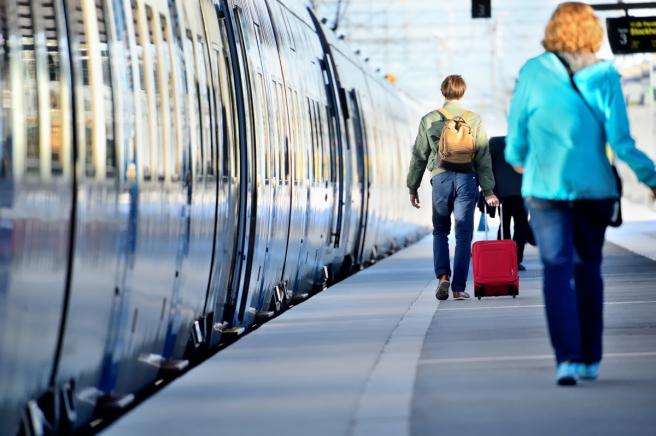
Traveling between the capital and the cradle of the Renaissance is a seamless experience covering a travel distance of 162 miles. Passengers primarily utilize the Frecciarossa fleet which offers the most premium service on this busy corridor. The journey is defined by its speed and efficiency, allowing visitors to transit between these two iconic cultural hubs in a fastest time of 1h 32m. High speed trains provide a smooth ride through the changing landscapes of Lazio and Tuscany, featuring climate controlled interiors and ergonomic seating designed for maximum passenger comfort during the short transit.
Choosing the Best Train Types for Tuscany Travel
The availability of services on this route is extensive, with approximately 65 daily trains connecting the two cities from dawn until late evening. While the high speed Frecciarossa is the preferred choice for those prioritizing time, some Regional Veloce services operate on the slower lines for travelers seeking lower price points or stops in smaller towns. For those on the rapid services, the onboard experience includes access to power outlets and digital portals. Choosing the high speed option ensures that your itinerary remains focused on sightseeing rather than transportation, as these trains travel at speeds up to 190 miles per hour.
Expert Tips for First Time Italy Rail Travelers
Navigating the rail system becomes simple when you understand the ticketing structure and boarding procedures. It is essential to book in advance as prices increase closer to the departure date. First time travelers should arrive at the station at least fifteen minutes before departure to locate their platform on the electronic boards. There is no formal check in process like at an airport, but you must have your digital or printed ticket ready for inspection once the train is in motion. Luggage can be stored in the overhead racks or designated areas at the end of each carriage.
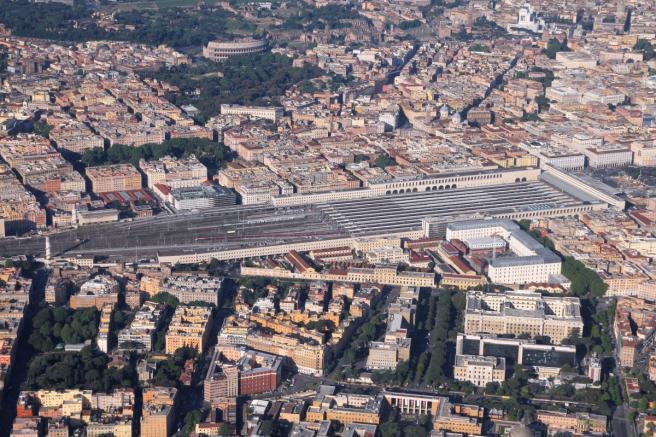
This is the primary transport hub in the capital and serves as the gateway for most long distance journeys. The station is centrally located with direct connections to both metro lines and numerous bus routes. Travelers will find a large shopping mall on the lower levels and various dining options on the main concourse. It is important to monitor the binario or platform number which usually appears on the digital screens ten minutes before departure.
Upon arriving at this major terminal, you are within a ten minute walk of the iconic Duomo and the historic center. The station features a functional modernist design with all platforms located on a single level for easy navigation. Taxis are available immediately outside the exit, and the local tram network connects the station to the outer districts and the airport. Most major hotels in the city center are easily accessible by foot from the main station entrance.