| Travel distance | 190 miles |
|---|---|
| Fastest time | 3h 30m |
| Daily trains | 25+ |
| Ticket from |
Traveling from the romantic, saltwater canals of Venice to the dramatic glacier-carved shores of Lake Como covers a distance of approximately 190 miles across Northern Italy. This eastbound-to-westbound trans-regional route offers an incredible transition of landscapes. Passengers depart from the edge of the Adriatic Lagoon, speed across the flat agricultural heartland of the Po Valley, and transfer to local lines that climb into the majestic, steep-forested foothills of the Alps. Taking the train is the absolute standard of convenience and efficiency for this trip, completely bypassing the stress of multi-lane highway driving and navigating restricted traffic zones in both historic centers.
Navigating Train Types and Transfers in Milan
Because Lake Como is situated north of the main Lombardy plains, traveling from Venice requires a highly coordinated two-stage journey with a smooth transfer at the grand rail hub of Milano Centrale:
-
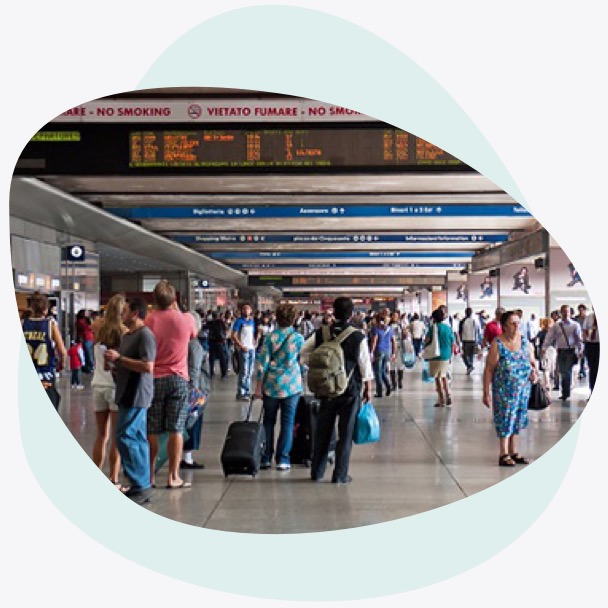
The High-Speed Sprint (Venice to Milan): The first and longest segment consists of a rapid 2.5-hour journey from Venezia Santa Lucia to Milano Centrale aboard Italy's premium high-speed fleets—either Trenitalia's state-of-the-art Frecciarossa or the private Italo network. These trains travel at speeds reaching up to 190 mph and feature climate-controlled cabins, power outlets, free Wi-Fi, and multiple service classes.
-
The Lakeside Leg (Milan to Lake Como): Upon arriving in Milan, travelers transfer to regional services depending on their final lake destination. For the popular central lake area (the "Golden Triangle"), passengers board Trenord regional trains bound for Tirano, which stop at Varenna-Esino in just over an hour. For the southwestern branch of the lake, frequent regional and EuroCity trains connect Milan to Como San Giovanni in roughly 40 to 60 minutes.
To secure the most competitive fares on your high-speed segment, booking several weeks or months in advance is highly recommended. The regional tickets from Milan to the lake are fixed-price, allowing you complete schedule flexibility if you want to break up your journey with a long lunch or shopping excursion in Milan.
Essential Tips for Lake Como Bound Travelers
Successfully navigating this trans-regional route is straightforward when keeping a few practical logistics in mind:
-
Seat Assignments: Your high-speed ticket from Venice to Milan automatically includes a mandatory seat reservation, which is clearly marked on your digital booking. The regional Trenord or commuter legs to the lake do not have assigned seating and operate on a first-come, first-served basis.
-
Ticket Validation: If you purchase a physical paper ticket at any station for the regional leg of your trip, you must validate it by inserting it into the green or yellow electronic stamp machines near the tracks before boarding. For digital regional tickets, you must complete the digital "check-in" on your smartphone app prior to the train's scheduled departure.
-
Lagoon Departures: Make sure your departure ticket lists Venezia Santa Lucia rather than Venezia Mestre, as Santa Lucia is the historic terminal situated directly on the water, saving you an extra mainland shuttle.
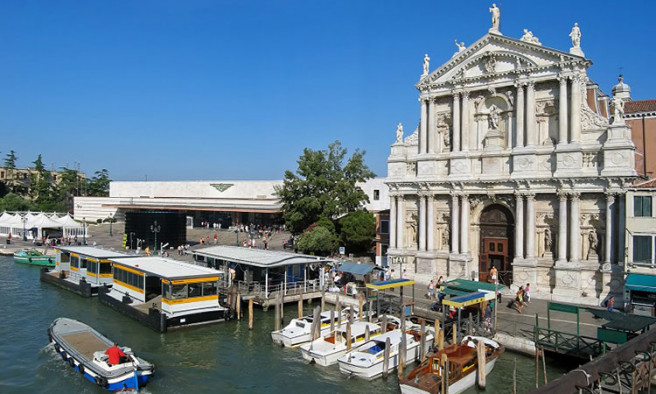
This iconic modernist terminal is situated directly on the Grand Canal, offering a spectacular starting point. The station features twenty-three platforms on a single, completely flat level, which makes navigating with heavy luggage exceptionally easy. Inside the bustling complex, travelers have access to extensive retail shops, cafes, pharmacies, and secure left-luggage services. The moment you step through the grand front doors, you are met with immediate access to municipal vaporetto (water bus) docks and private water taxis.
The two primary railway portals to the lake offer distinctly different arrivals. Varenna-Esino is a modest, hillside station serving the central lake region. From the platform, a steep but scenic ten-minute walk downhill leads directly to the waterfront promenade and the passenger ferry terminal, which offers frequent boat links to Bellagio and Menaggio. On the western branch, Como San Giovanni is a larger, multi-level facility situated on a hill just a ten-minute walk from Como’s historic center. Immediately outside the exit, travelers will find local bus terminals, taxi ranks, and pedestrian paths leading down to the main square and ferry docks.