| Travel distance | 332 miles |
|---|---|
| Fastest time | 5h 47m |
| Daily trains | 15 |
| Ticket from |
Traveling from the southern gateway of the Amalfi Coast to the floating city of the lagoon involves a transit across a travel distance of 332 miles. This route utilizes the primary high speed artery of the national rail network, allowing passengers to traverse the length of the peninsula in a fastest time of 5h 47m. As the train moves north from the Tyrrhenian Sea, the landscape transforms from the rugged coastal cliffs of Campania to the fertile plains of the Po Valley. The journey is defined by its seamless connection between the maritime traditions of the south and the unique architectural heritage of the north, providing a comfortable environment to witness the geographic heart of the country through large panoramic windows.
Premier Service and Train Types for Northbound Transit
The connection on this long distance corridor is primarily served by the direct Frecciarossa fleet which represents the highest standard of national rail engineering. With approximately 15 daily trains available, travelers can enjoy a reliable schedule that includes several direct options which bypass the need for a transfer in Rome or Florence. These high speed trains offer climate controlled interiors and multiple levels of service, ensuring that the multi hour trip remains a highlight of any northern bound itinerary. To secure the most competitive rate, which can feature a ticket from $39.90, it is advisable to book your journey in advance through the official digital portals. Choosing the direct rail link ensures a stress free arrival at the very edge of the lagoon without the complexities of road travel.
Essential Tips for First Time Italy Rail Travelers
Success when navigating this extensive north south route begins with understanding the boarding procedures at the main terminals and managing your luggage effectively. All high speed bookings include a mandatory seat reservation which is clearly indicated on your digital confirmation along with the specific carriage number. It is recommended to arrive at the station fifteen minutes before departure to identify your track on the electronic boards and locate your assigned car. Once onboard, you can access amenities such as power outlets and at seat refreshment services while the train speeds across the various regions. Digital tickets are widely accepted and can be scanned directly from your mobile device during the journey. This method of travel remains the most sophisticated and sustainable way to bridge the distance between the southern coast and the northern lagoon.
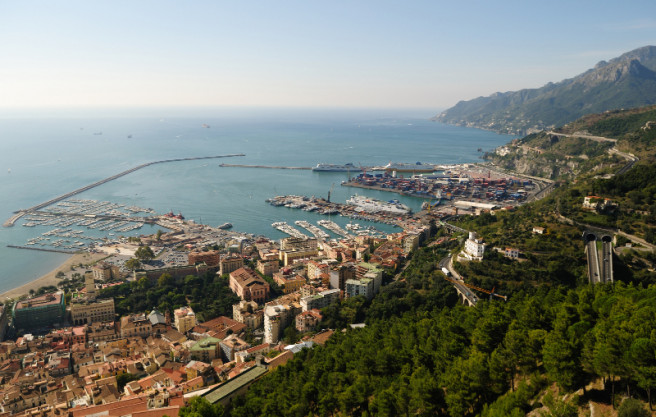
This station is perfectly situated at the edge of the city center and serves as a major transit point for those arriving by ferry or bus from the coast. The layout is straightforward with clear signage directing passengers to the various platforms via a central pedestrian underpass. Travelers will find essential amenities including ticket offices, newsstands, and small cafes for a quick espresso before boarding their northbound service. The station is within easy walking distance of the main shopping district and the waterfront promenade.
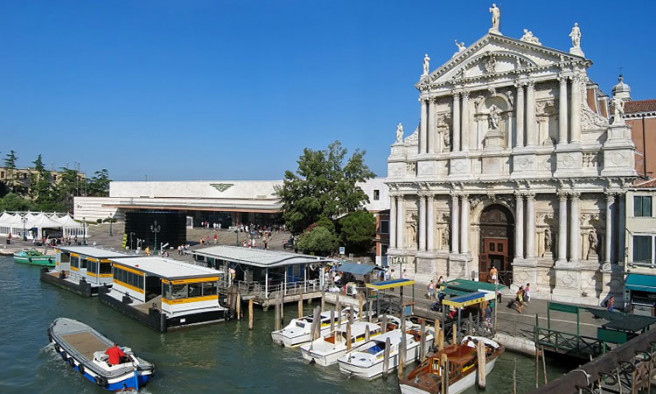
This iconic terminal is located directly on the Grand Canal and serves as the primary gateway for all rail traffic entering the lagoon city. The station features a functional modernist facade that hides a bustling interior with numerous shops, cafes, and luggage storage facilities. Travelers can access the vaporetto water bus lines immediately outside the main entrance to reach St Marks Square or other major islands within the lagoon area. Arriving here allows you to step directly from the train onto the water, offering an immediate immersion into the unique Venetian environment.