| Travel distance | 118 miles |
|---|---|
| Fastest time | 1h 48m |
| Daily trains | 20 |
| Ticket from |
Traveling from the capital to the ancient hilltop vistas of the Val di Chiana involves a transit across a travel distance of 118 miles. This route provides a scenic window into the rural landscapes of central Italy as the train moves north from the Tiber valley through the heart of the peninsula. Passengers can expect to reach the edge of the town in a fastest time of 1h 48m when utilizing the direct regional or Intercity services. This journey is widely considered one of the most accessible ways to transition from the urban density of the city to the quiet olive groves and medieval architecture of southern Tuscany.
Selecting the Best Train Service for Tuscan Travel
The service on this northern corridor is robust with approximately 20 daily trains available to accommodate various schedules from early morning until late evening. Most travelers utilize the frequent Regional Veloce or Intercity services which offer a reliable and cost effective link between the hubs. While the elite high speed Frecciarossa fleet often bypasses the local station on the high speed line, the existing regional services are highly efficient and provide a pleasant ride. To secure the best value for your trip, passengers can find a ticket from $13.50 when purchasing through official digital channels. These trains are well suited for a day trip or a longer stay, providing consistent service that makes the transition between the two regions both accessible and convenient for all visitors.
Expert Tips for First Time Italy Rail Travelers
Success when navigating the rail system for this specific journey is straightforward when you are familiar with the various stopping patterns and station locations. First time travelers should be aware that the primary station for the town is located at the foot of the hill in Camucia, which is linked to the historic center by a frequent local bus service that coordinates with the rail schedule. It is essential to remember that regional tickets purchased at the station must be validated in the small electronic machines located near the platforms before boarding the train. Digital tickets are also widely used and can be presented directly on a smartphone for inspection. Arriving at the terminal fifteen minutes before departure allows sufficient time to identify your track and find a seat for the journey through the rolling hills of the Chiana valley.
This expansive transportation hub is located in the heart of the city and serves as the main departure point for all northern bound services heading into Tuscany and Umbria. Travelers will find a multi level complex that includes a comprehensive shopping mall, a wide array of international dining options, and direct links to the city metro system. The main concourse features clear signage and numerous automated ticket kiosks, making it easy for visitors to navigate even during the busiest travel hours. It is important to monitor the digital displays for your platform number as departures for the northern regional lines are frequent.
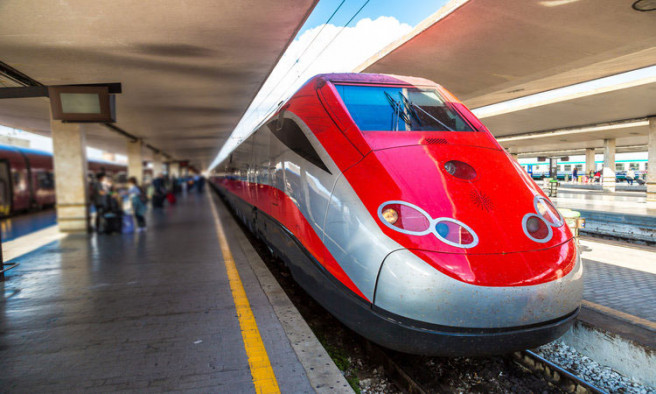
This station serves as the main gateway for the town and is located in the valley area below the historic hilltop district. The facility is modest with basic amenities including a waiting room, automated ticket machines, and a small cafe nearby for travelers. Immediately outside the entrance is the bus stop for the local shuttle that climbs the steep hill to the upper town squares. It is a quiet and efficient arrival point for those entering the region from the south, offering an immediate sense of the slower pace of life in the Tuscan countryside.