


| Travel distance | 72 mmiles |
|---|---|
| Fastest time | 1h 20m |
| Daily trains | 25 |
| Ticket from |
Traveling from the ancient hilltop charm of the Val di Chiana to the artistic capital of the Renaissance involves a scenic transit across a travel distance of 72 miles. This route is primarily served by the regional network, which provides a reliable link for both local commuters and international visitors. Passengers can enjoy a smooth ride that follows the northern path through the fertile Tuscan countryside, reaching the city center in a fastest time of 1h 20m. The journey is defined by its accessibility, offering a relaxing environment to witness the transition from the rustic stone architecture of the south to the grand marble facades of the regional capital.
Choosing the Best Train Types for Tuscan Travel
The service on this corridor is robust, with approximately 25 daily trains ensuring that departures are available throughout the morning and evening. While high speed Frecciarossa trains occasionally pass through the nearby hub of Terontola, the most direct services for visitors staying near the town utilize the Regional Veloce fleet. These trains are designed for efficiency and offer a consistent level of comfort with climate controlled interiors. To secure the most affordable travel, passengers can obtain a ticket from $12.40 through official digital channels or at the station kiosks. These regional fares remain fixed, providing excellent flexibility for those who prefer to travel without the constraints of a rigid pre-booking system.
Expert Tips for First Time Italy Rail Travelers
Success when navigating the rail system for this route is straightforward when you are familiar with the specific station procedures and ticketing rules. First time travelers should be aware that the primary station for the town is located at the foot of the hill in Camucia, which is linked to the historic center by a frequent local bus service. If you are using a physical paper ticket, it is mandatory to validate it in the electronic machines located at the station before you board. Digital tickets do not require validation but must be ready on your mobile device for inspection. Arriving at the platform ten minutes early allows sufficient time to identify your track and find a seat for the journey through the rolling hills of the Arno valley.
This station serves as the main gateway for the town and is located in the valley area below the historic hilltop district. The facility is modest with basic amenities including a waiting room, automated ticket machines, and a small cafe nearby. Travelers should look for the orange bus that connects the station to the upper town square, which usually coordinates with the arrival and departure of the regional trains. It is a quiet and efficient starting point for those heading toward the north of the region.
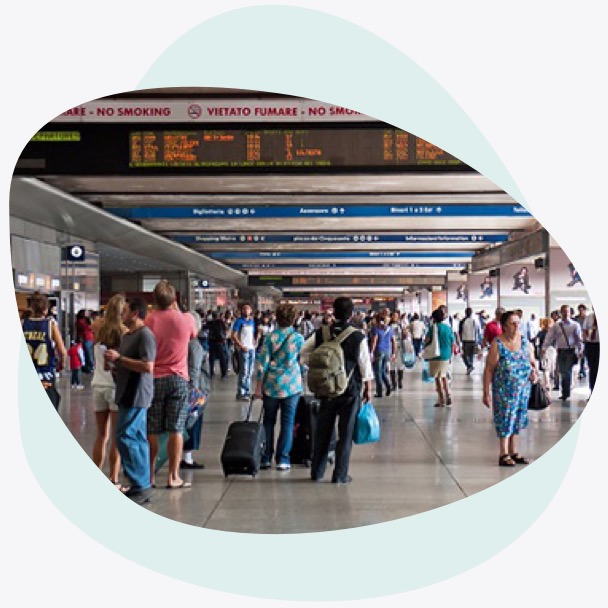
As the primary railway terminal for Tuscany, this station is centrally located and serves as a vital hub for both regional and high speed national lines. The facility features a large modernist concourse with nineteen platforms located on a single level, making it easy to navigate even with heavy luggage. Travelers will find extensive shopping, dining, and secure storage facilities within the main building. It is within a short walking distance of the major historic landmarks and provides direct links to the city tram and bus networks.