| Travel distance | 351 miles |
|---|---|
| Fastest time | 4h 42m |
| Daily trains | 10 |
| Ticket from |
Traveling from the capital to the alpine gateway covers a travel distance of 351 miles across the heart of the Italian peninsula. The journey represents one of the most comprehensive rail transits in the country, as passengers move from the Mediterranean climate of the center to the fresh mountain air of the north. Utilizing the direct high speed services allows for a fastest time of 4h 42m, providing a seamless transition that connects the historical depth of the city with the natural grandeur of the mountains. This route is an excellent choice for those seeking to witness the geographic diversity of the country from the comfort of a modern rail carriage.
Premier Service and Train Types for Alpine Transit
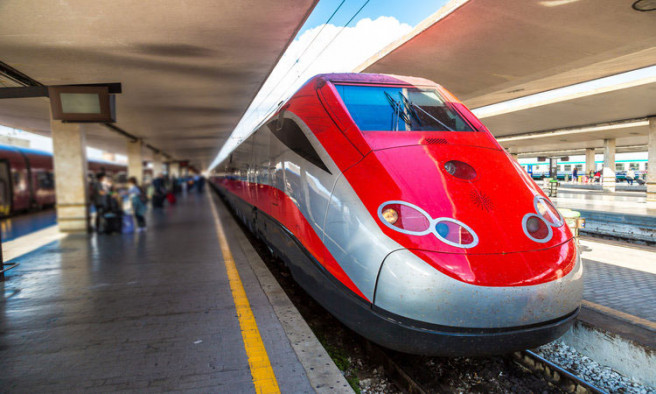
The service on this long distance corridor is primarily served by the elite Frecciarossa fleet which is known for its speed and refined onboard experience. There are approximately 10 daily trains available for this transit, ensuring that travelers have reliable options for their journey into the Dolomites. Choosing the high speed option ensures that your itinerary remains focused on alpine exploration rather than the complexities of road travel. These trains offer climate controlled environments and ergonomic seating, making the multi hour trip a highlight of any northern bound itinerary. The reliability of these services makes them the preferred choice for visitors seeking an efficient transit across the border of the regions.
Strategic Guidance for First Time Italy Rail Travelers
Securing the best value for this extensive trip is possible when you find a ticket from $34.90 by booking your journey well in advance of your travel date. First time travelers should understand that all high speed bookings include a mandatory seat reservation which is clearly indicated on your digital confirmation. As the train heads north, passengers can watch the landscapes of Lazio, Tuscany, and the Po Valley blur by before entering the majestic Adige valley. There is no complex check in process at the platform, but you must be ready to present your QR code to the staff once the train has departed. This method of travel remains the most sophisticated way to navigate the distance between the city and the peaks.
This primary transportation hub is the main departure point for all northern bound high speed services. The terminal is exceptionally well connected to the local metro and bus networks, making it easily accessible from anywhere in the city center. Travelers will find a vast array of services including automated ticket machines, luggage storage facilities, and diverse dining options. It is important to monitor the digital displays for your platform number as departures are frequent.
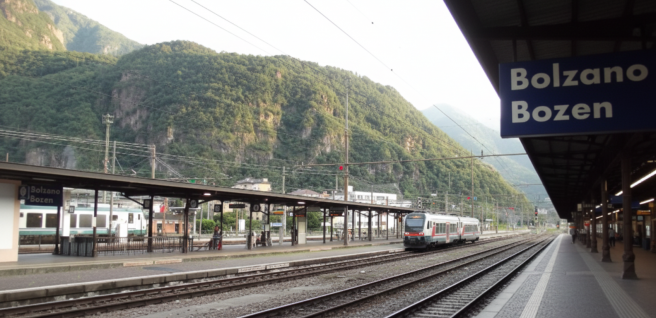
This station serves as the central hub for the South Tyrol region and is located just a short walk from the historic town center. The facility reflects the dual cultural heritage of the area, with all signage and announcements provided in both Italian and German. Visitors can find essential services including automated ticket machines, a passenger lounge, and several cafes offering local pastries and coffee to enjoy upon arrival in the heart of the mountains.