| Travel distance | 135 miles |
|---|---|
| Fastest time | 1h 22m |
| Daily trains | 38 |
| Ticket from |
Traveling from the Renaissance heart of Tuscany to the ancient academic city of Padova involves a transit across a travel distance of 135 miles. This journey is one of the most efficient segments of the north-south high-speed corridor, allowing passengers to reach the Veneto in a fastest time of 1h 22m. As the train leaves the hills of the Arno Valley, it bores through the Apennines into Bologna before speeding across the flat, fertile plains of Emilia-Romagna. The transition from the grand marble architecture of Florence to the porticoed streets and medieval squares of Padova is seamless, making the rail link the preferred choice for both day-trippers and long-stay visitors.
Selecting Train Types for Your Journey
The frequency of services on this corridor is robust, with approximately 38 daily trains ensuring that departures are available from early morning until late evening. The route is dominated by the elite Frecciarossa and Italo high-speed fleets, which offer premium comfort and speeds up to 190 mph. For those seeking a more economical pace, Regional Veloce services are also available, though they typically require a longer travel duration and may involve a transfer in Bologna. To secure the most competitive rate, which can include a ticket from $15.90, it is essential to utilize digital booking platforms well in advance, as high-speed fares are dynamic and increase closer to the travel date.
Expert Tips for First-Time Italy Rail Travelers
Success when navigating the rail system for this route is straightforward when you are familiar with the specific station procedures. High-speed services include a mandatory seat reservation, which is clearly indicated on your digital confirmation along with the specific carriage number. If you choose a regional service for a portion of your journey, remember that physical paper tickets must be validated in the electronic machines at the station before boarding. Digital tickets do not require validation but should be ready on your mobile device for inspection. Arriving at the terminal fifteen minutes early allows sufficient time to identify your platform and find your carriage for the sprint toward the north.
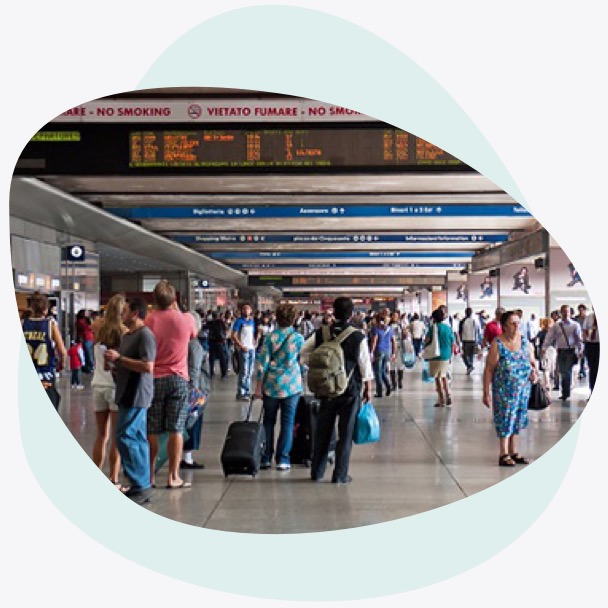
This primary station is centrally located and serves as a vital junction for the national high-speed network. The modernist terminal features a large concourse with nineteen tracks located on a single level, making it easy to navigate even with heavy luggage. Travelers will find numerous shops, cafes, and luggage storage facilities within the main building. It is within walking distance of major sights like the Duomo and provides direct connections to local tram lines and the airport shuttle.
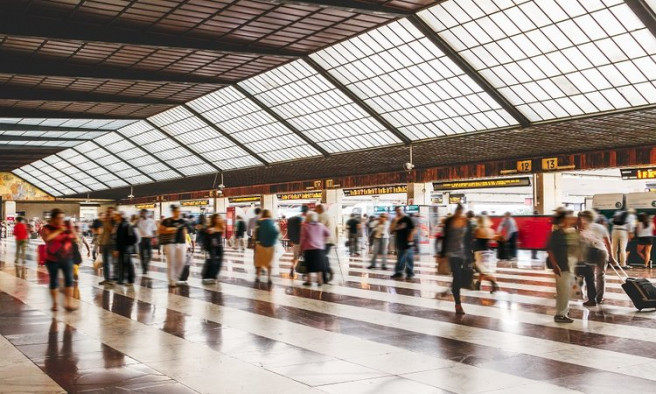
The station is situated just a short walk or a quick tram ride from the historic center and the famous Scrovegni Chapel. The facility is well-organized with a central concourse featuring ticket offices, automated machines, and several cafes where you can enjoy an espresso upon arrival. Arriving passengers can find the modern tram system (SIR1) immediately outside the main exit, providing direct links to the Prato della Valle and the Basilica of Saint Anthony. The station serves as a vital gateway for those exploring the artistic and academic heritage of the region.