| Travel distance | 30 miles |
|---|---|
| Fastest time | 0h 50m |
| Daily trains | 32 |
| Ticket from |
Traveling from the Renaissance capital of Florence to the grand thermal wellness hub of Montecatini Terme involves a short but highly scenic journey of approximately 30 miles. This line is one of the most popular regional routes in northern Tuscany, carrying passengers from the bustling metropolitan Arno basin into the rolling Valdinievole valley. Direct regional trains can complete this transit in a fastest time of 0h 50m, making it an exceptionally popular choice for both day-trippers and commuters. As the train travels west, it passes the historic walled cities of Prato and Pistoia, offering passengers glimpses of distant Apennine foothills and rustic olive groves along the valley floor before arriving at the refreshing thermal oasis.
Selecting Train Types for Your Journey
The service along this corridor is frequent and highly reliable, with approximately 32 daily departures ensuring that travelers have flexible options from early morning until late evening. The route is serviced exclusively by Trenitalia’s domestic Regionale and Regionale Veloce (Fast Regional) fleets. While high-speed Frecciarossa trains do not run on this specific line, the regional services are incredibly efficient and comfortable. To secure the best rate, which can feature a ticket starting at $6.80, travelers can purchase tickets online or at station kiosks. Because regional fares are fixed based on distance, there is no dynamic price increase close to the departure date, offering ultimate flexibility for spontaneous plans.
Practical Advice for First-Time Italy Rail Travelers
Success when navigating this route relies on understanding the local station layouts and Italian regional ticketing protocols. Montecatini Terme actually features two railway stations: "Montecatini Terme-Monsummano" (the larger, primary station) and "Montecatini Centro" (a smaller, unstaffed stop closer to the town center). Most trains stop at both, but travelers should double-check their tickets. If you are using a physical paper ticket, it is mandatory to validate it in the electronic green or yellow machines near the platforms before you step onto the train. Digital tickets do not require physical validation but must be checked in via the official Trenitalia app before the train's scheduled departure.
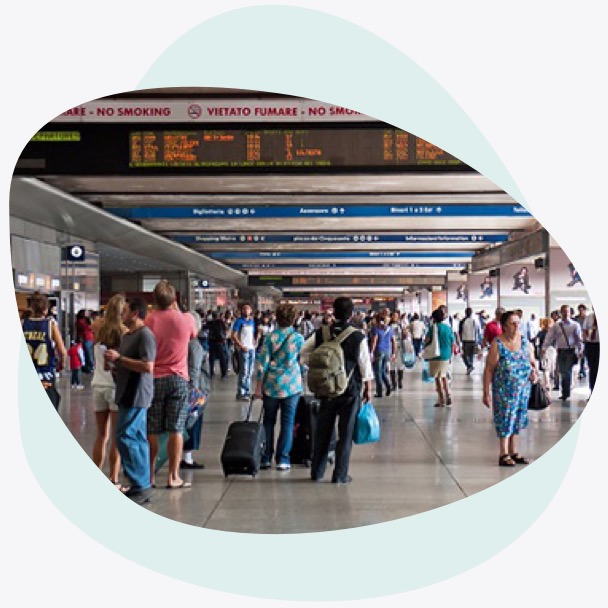
This primary station is centrally located and serves as the main hub for departures heading into the Tuscan interior and toward the coast. The terminal features nineteen platforms on a single level, making it very easy to navigate with luggage. Travelers will find numerous cafes, shops, a pharmacy, and a helpful tourist information office within the main building. It is within a short walking distance of major sites like the Duomo and the Accademia Gallery, and it is directly connected to the city's tram and bus networks.
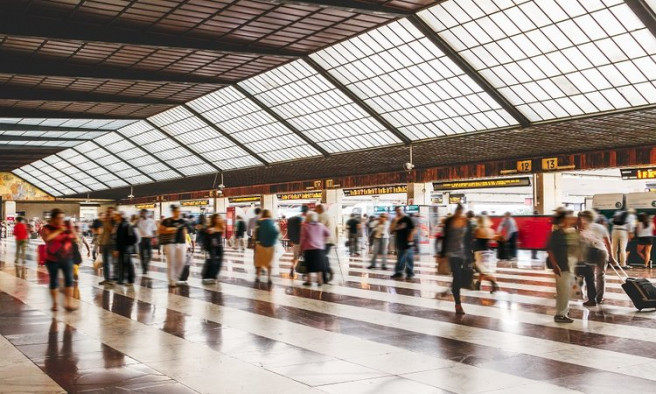
This primary station serves as the main gateway to the spa town and features a beautiful mid-century modernist passenger terminal. The facility is easy to navigate, with clear platform signage, automated ticket kiosks, a waiting room, and a traditional station bar serving espresso and pastries. Immediately outside the front exit, travelers will find local bus terminals and taxi stands. It is also well-linked to the historic Montecatini Alto funicular railway, located a short walk or local bus ride away, which climbs to the medieval village overlooking the valley.