| Travel distance | 115 miles |
|---|---|
| Fastest time | 1h 16m |
| Daily trains | 35 |
| Ticket from |
Traveling from the Renaissance capital of Florence to the culinary city of Parma involves a journey of approximately 115 miles across central Italy. This route offers a swift and scenic transit, carrying passengers north from the hills of the Arno Valley, boring through the extensive Apennine mountain tunnels, passing through the busy railway junction of Bologna, and opening up into the flat, fertile plains of the Po Valley. Passengers can reach the city of Parma in a fastest time of 1h 16m, making this trip an incredibly efficient way to transition from world-class Renaissance art to the famous home of prosciutto, parmigiano-reggiano, and elegant historic architecture.
Selecting Train Types for Your Journey
The corridor between Florence and Parma is highly active, with about 35 daily connections keeping the two cities closely linked from early morning until late evening. While there are occasional direct high-speed Frecciarossa services, the vast majority of itineraries involve a seamless two-stage approach: a rapid 35-minute high-speed sprint on a Frecciarossa or Italo train from Florence to Bologna Centrale, followed by a frequent Regional Veloce or Intercity train for the remaining 50-minute leg to Parma. To secure the most competitive rate, which can start with a ticket from $16.50, it is highly recommended to book the high-speed portion of your journey well in advance. Regional fares remain fixed based on distance, offering excellent flexibility if you wish to enjoy a brief stopover in Bologna during your transit.
Expert Tips for First-Time Italy Rail Travelers
Success when navigating this route depends on managing your transfer—usually at the multi-level Bologna Centrale station—and understanding the differing rules for high-speed and regional rail. High-speed tickets automatically include a mandatory seat reservation, whereas regional segments are first-come, first-served. If you are using a physical paper ticket for the regional leg starting in Bologna or Florence, you must validate it in the green or yellow electronic machines located near the platforms before you board to avoid heavy on-the-spot fines. Digital tickets do not require physical validation but must be checked in via your mobile booking app prior to the scheduled departure. Arriving at the platform fifteen minutes early is typically sufficient to locate your carriage and settle in.
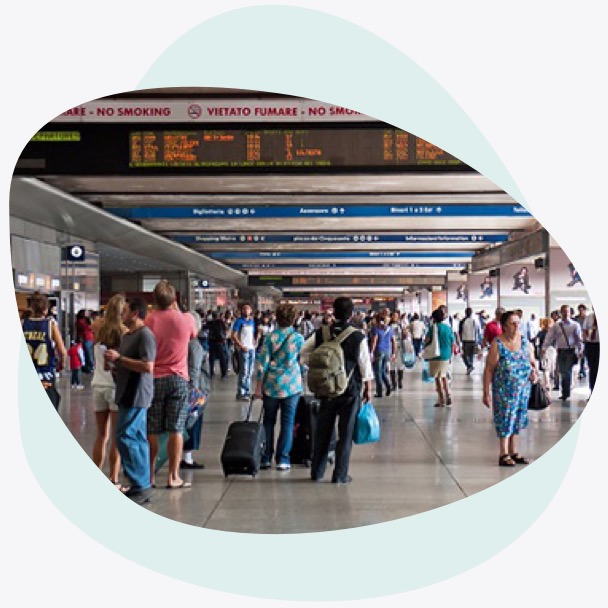
This primary station is centrally located and serves as a vital junction for the national high-speed network. The modernist terminal features nineteen platforms on a single level, making it exceptionally easy to navigate even with heavy luggage. Travelers will find numerous shops, cafes, a pharmacy, and secure luggage storage facilities within the main building. It is within walking distance of major sights like the Duomo and the Accademia Gallery, and it provides direct connections to local tram lines and the airport shuttle.
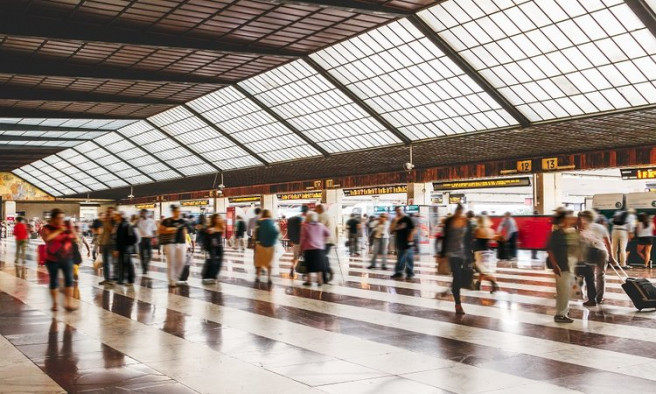
The station is situated just a short walk north of the historic center and the famous Pilotta Palace. The facility is modern, clean, and exceptionally well-organized, featuring a central concourse with automated ticket machines, passenger waiting areas, and several cafes where you can grab a quick espresso or local snack upon arrival. The station serves as a vital gateway to Italy's "Food Valley" and is directly linked to local bus routes servicing the surrounding province.