| Travel distance | 582 miles |
|---|---|
| Fastest time | 9h 15m |
| Daily trains | 4 |
| Ticket from |
Traveling from the French capital to the cradle of the Renaissance in Florence involves a significant transit across approximately 582 miles of diverse European landscape. This international route offers a stunning visual transition, moving from the urban elegance of Paris through the dramatic, snow-capped peaks of the Alps, and finally descending into the sun-drenched, rolling hills of Tuscany. Most travelers can complete this journey in a fastest time of 9h 15m, typically requiring a seamless connection at the grand central terminal in Milan. It is a sophisticated alternative to air travel, allowing passengers to witness the geographic heart of the continent from the comfort of a high-speed carriage.
Selecting Train Types for International Connectivity
The journey is primarily facilitated by the elite Frecciarossa or TGV fleets for the transalpine crossing from Paris to Milan, followed by the high-speed Frecciarossa or Italo lines for the final sprint to Florence. These modern trains are designed for long-distance endurance, featuring climate-controlled interiors, ergonomic seating, and multiple levels of service. There are typically 4 daily coordinated options available for this trek, making it easy to schedule a morning departure from France and arrive in Tuscany in time for a late dinner. To secure the most competitive rate, which can start from $55.00, it is highly recommended to utilize digital booking platforms several months in advance, as international fares are dynamic and increase closer to the travel date.
Expert Guidance for Cross-Border Rail Travel
Navigating this long-distance route is a straightforward process when you are familiar with the specific ticketing and boarding procedures of both the French and Italian networks. While formal passport checks are infrequent within the Schengen Area, it is mandatory to carry a valid identity document at all times during the transit between France and Italy. High-speed bookings for this route include a mandatory seat reservation, which is clearly indicated on your digital confirmation along with the carriage and seat number. It is recommended to arrive at the station twenty minutes before departure to identify your platform and settle into your seat. Onboard amenities usually include power outlets at every seat and a dining car or bistro service where you can enjoy regional specialties while the landscape transforms outside your window.
This historic station is the main departure point for all high-speed services heading toward the southeast of France and onward to Italy. The terminal is famous for its grand architectural details and the iconic clock tower that overlooks the main entrance. Travelers will find clear digital displays and a wide variety of shops and dining options within the main concourse. It is well connected to the Paris Metro lines 1 and 14 for easy access from other districts of the city.

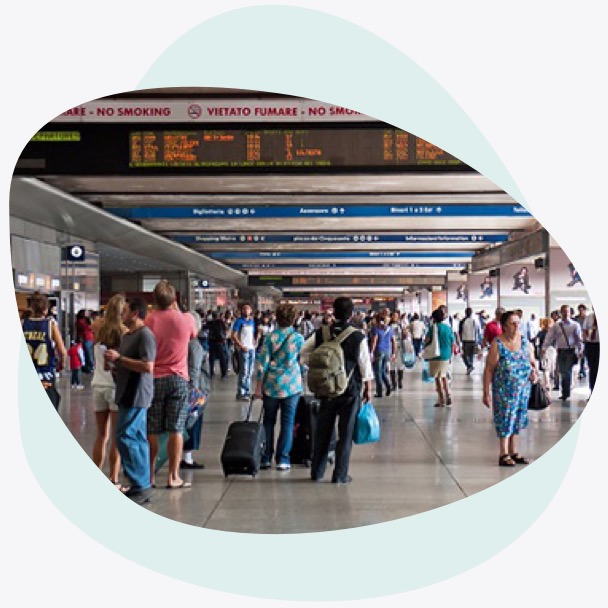
Arriving at this major terminal places you in the heart of the city, within a ten-minute walk of the iconic Duomo and the Uffizi Gallery. The station features a functional modernist design with all nineteen platforms located on a single level, making navigation straightforward even with heavy luggage. Travelers will find numerous shops, cafes, and secure storage facilities within the main building. Taxis are available immediately outside the exit, and the local tram network provides direct links to the outer districts and the airport shuttle.