


| Travel distance | 95 miles |
|---|---|
| Fastest time | 1h 37m |
| Daily trains | 18 |
| Ticket from |
Traveling from the ancient tufa cliffs of the Umbrian region toward the Renaissance heart of Tuscany involves a scenic transit across a travel distance of 95 miles. This journey is primarily serviced by a mix of regional and Intercity trains that provide a reliable connection for those moving northward. Passengers can watch the dramatic landscape of the Paglia valley unfold while moving toward the Arno river basin in a fastest time of 1h 37m. The experience highlights the geographic diversity of central Italy as the landscape shifts from golden volcanic plateaus to the iconic rolling hills and cypress trees that signify the entrance into the Tuscan borders.
Choosing Train Types and Connectivity in Central Italy
The service on this central corridor is robust, with approximately 18 daily trains available to accommodate various schedules from early morning until the evening. While the high speed Frecciarossa fleet often bypasses this stop, the Regional Veloce and Intercity services offer a functional alternative for reaching the regional capital. Choosing the rail option ensures that your transit remains focused on the spectacular scenery rather than the stress of navigating rural roads. These trains are equipped with climate controlled interiors and provide a consistent level of comfort for the trip. The frequency ensures that visitors can find a convenient slot for their northern transit.
Expert Guidance for Your Italian Rail Journey
Successfully navigating this route involves understanding the boarding procedures and ticketing requirements of the national rail network. To secure the most competitive rate, which can feature a ticket from $18.50, it is advisable to book your journey in advance through official digital channels. Regional portions of the trip require travelers to validate their paper tickets at the station before boarding to remain in compliance with local rules. Arriving at the terminal fifteen minutes before departure allows sufficient time to identify your platform and find your carriage for the journey toward the cultural hub of Florence. This rail link remains the most sophisticated way to experience the transition from hilltop traditions to Tuscan heritage.
The station is situated in the lower section of the town and serves as the primary departure point for visitors heading to the historic hilltop district. Immediately outside the main entrance is the funicular station, which provides a frequent three minute ascent to the upper plaza near the cathedral. The facility is compact and easy to navigate with basic amenities and local bus connections to the surrounding countryside for those beginning their journey toward the north.
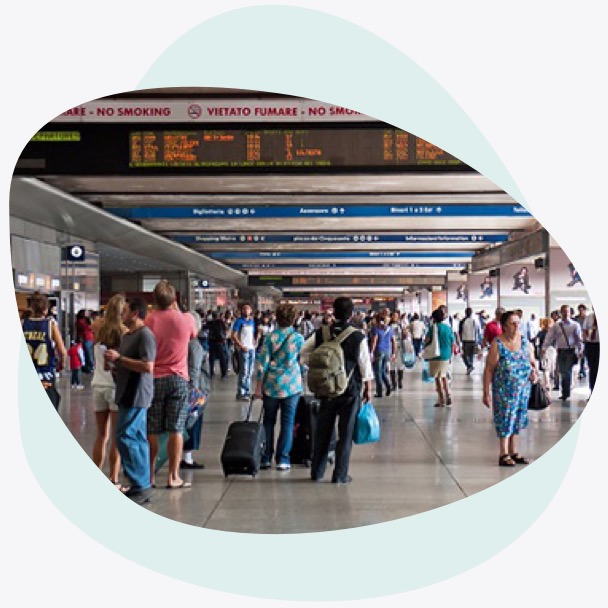
This station is the main transportation hub for Tuscany and features a grand modernist design with nineteen platforms on a single level. Travelers will find a wide range of services including ticket offices, luggage storage, and numerous dining options. It is located within easy walking distance of the historic city center and the Duomo. Clear digital displays and helpful signage make it simple for arriving passengers to navigate toward the city exit and local transport links.